Podcast: Play in new window | Download
Subscribe: Apple Podcasts | RSS
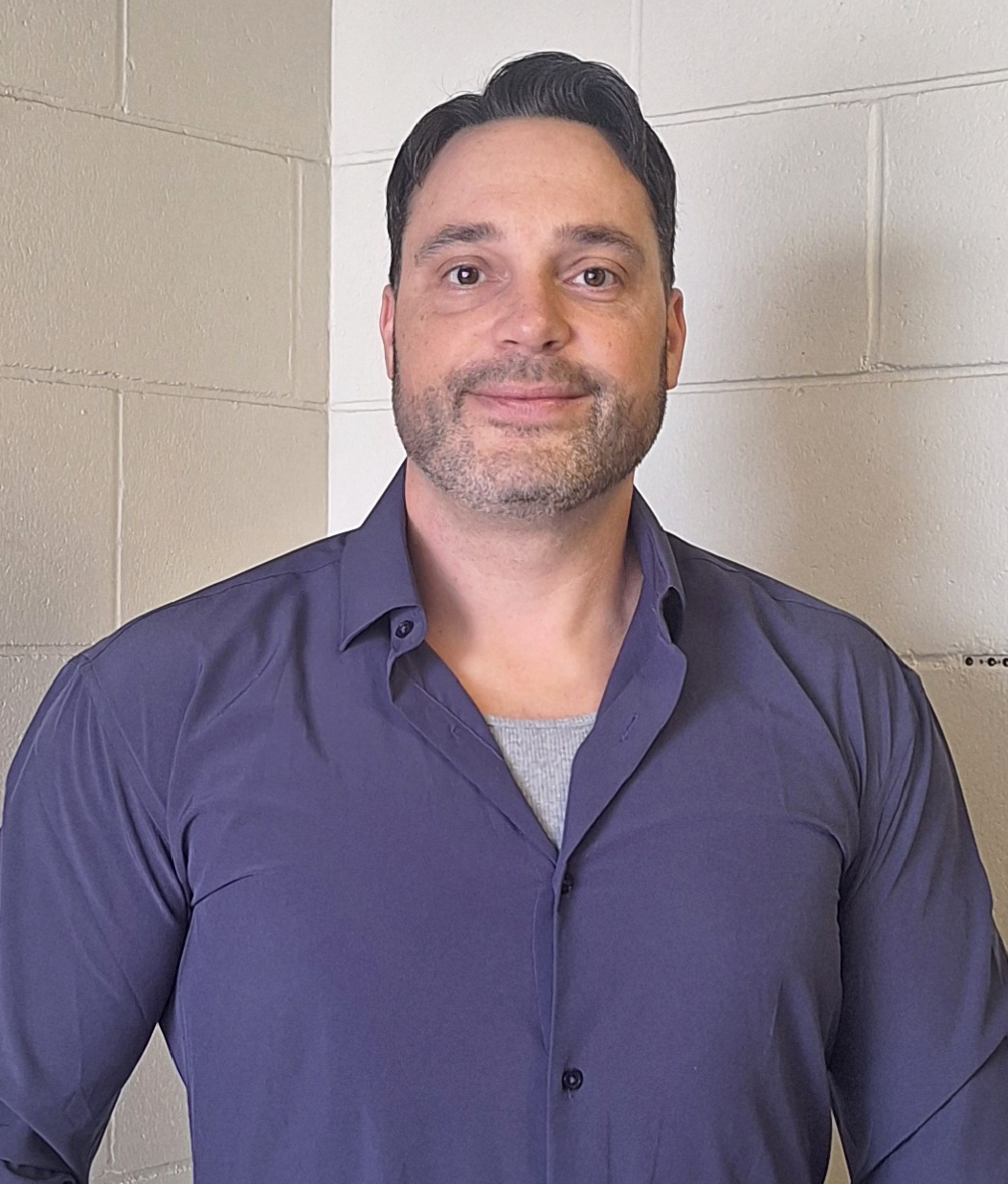 Dr. Bryan Cassone is a Professor and Chair in the Department of Biology at Brandon University in Canada. Bryan received his B.Sc. in biology, specializing in environmental science, from the University of Western Ontario, his M.Sc. in integrative biology from the University of Guelph, and his Ph.D. in biological sciences from the University of Notre Dame. After completing his PhD, Bryan conducted postdoctoral research at the Corn, Soybean, & Soft Wheat Unit at the United States Department of Agriculture. Next, he was a CAPS Herta Camera Gross Postdoctoral Fellow in the Department of Plant Pathology at Ohio State University. He joined the faculty at Brandon University in 2015. In this interview, Bryan shares more about his life and science.
People Behind the Science Podcast Show Notes
Life Outside of Science (2:16)
Outside the lab, Bryan is a big football fan. After playing football and wrestling in college, Bryan now loves watching both college and NFL games. He also enjoys staying active with swimming and weight training, and he loves traveling to new places.
The Scientific Side (2:57)
Bryan is a molecular entomologist. Drawn to the sheer variety of fascinating questions insects can help answer, he is more of a generalist than many scientists in his field. His work spans agricultural and medical pests, plus curiosity-driven projects like studying waxworms (plastic-eating caterpillars).
A Dose of Motivation (4:01)
To stay motivated, Bryan tries to put things in perspective and dwell on the things that are going really well. He focuses on the peaks instead of the valleys.
What Got You Hooked on Science? (6:34)
Growing up, Bryan wasn’t especially drawn to insects or any other field of science in particular. When he went off to college, he decided that becoming a pharmacist would give him a stable, in-demand career. Halfway through the program though, Bryan realized he wanted something more dynamic. His longtime love of nature documentaries and the life sciences drew him towards biology.
Bryan’s first exposure to research was during his undergraduate honors thesis. Studying birds and getting his first taste of independent research helped him see that he could make a career out of doing science. From there, Bryan pursued a master’s degree focused on genetics in crabs, which steered him toward invertebrates. Entomology came into Bryan’s life later when he was a postdoc. After interviewing for faculty positions at a range of different institutions, Bryan was excited to accept a position at Brandon University. This has allowed him to return home to Canada, and he has enjoyed being at a liberal arts institution that focuses on undergraduate and master’s education.
The Low Points: Failures and Challenges (18:01)
Scientists need to be resilient. Even strong papers and exciting projects can be rejected repeatedly because editors or funders deem them “too niche” or outside of their current priorities. Bryan’s early work on waxworms degrading plastic was turned away by multiple journals before finally being published. Once published, it was well-received and attracted significant media attention. Bryan’s work has been investigating how these waxworm caterpillars can consume plastic and break it down within a remarkably fast period of only 24 hours.
Uncertainty in funding and publishing can be especially stressful for early-career scientists, but now as a tenured professor, Bryan recovers from these kinds of setbacks faster. He puts everything into perspective and uses reviewer feedback to improve his work and identify the best fit for his submissions.
A Shining Success! (21:59)
One of Bryan’s most memorable “wins” came right after he started at Brandon University. The very first grant he ever led was funded on the first try, much to his surprise. The positive reviews and confidence the group had in the project made the award especially validating as he launched his own research lab.
With that support, Bryan helped pioneer an early application of next-generation sequencing in crops, using it to detect soybean pathogens and investigate genes involved in the invasion process. This approach revealed previously unreported pathogens in Manitoba and provided growers with a much clearer picture of what was actually in their fields. This allowed them to move beyond unreliable visual diagnosis and enabled more targeted control strategies.
Book Recommendations (24:53)
The Corner: A Year in the Life of an Inner-City Neighborhood by David Simon and Edward Burns
Most Treasured Travel (25:48)
Travel and fieldwork have shaped Bryan’s scientific career and provided flexible opportunities to experience new places and culture. His research has taken him to Costa Rica for viral detection and discovery in local hot springs, and to conferences around the world, including Japan and Belgium. One of Bryan’s most impactful trips happened during his PhD, when he traveled to Mali to study mosquitoes that carry malaria. They used nets at dusk to capture swarming mosquitos in order to study the genes involved in reproduction. While there, Bryan visited remote villages and saw firsthand how a single insect species can drive enormous morbidity and mortality.
During his master’s research on crab genetics, Bryan and a friend went on a six-week road trip from Vancouver down into Mexico to collect crabs for his project. This involved lifting a lot of rocks in search of crabs, and it took a long time to get the number of crabs needed for his population genetics study. Along the way, Bryan had to manage complex logistics, including permits. They picked up their collection permit in Sacramento, which was fortunate timing, because wildlife authorities stopped them to see their permit the very next day.
Quirky Traditions and Funny Memories (30:32)
The culture in Bryan’s lab is intentionally relaxed and community-focused. Lab members don’t fit the “scientist stereotype,” and everyone makes time to connect beyond research. From lab bowling nights to casual parties, the goal is to unwind and talk about life—not science—when they’re together. While Bryan’s not a bowling pro, he still loves getting everyone together to hang out at the bowling alley.
Advice For Us All (33:00)
The best advice Bryan has ever received came from his dad: just do your best. Success isn’t only about winning a grant or coming out on top. It’s about knowing you did the best you could do under the circumstances. Also, when choosing a career, it’s important to enjoy what you do. Work takes up so much of your life. If you’re genuinely interested in what you’re doing, it doesn’t feel like “work.” And if you’re not happy with your career, ,it’s never too late to take a risk and pursue something that feels more fulfilling.
Guest Bio
Bryan earned his PhD from the University of Notre Dame in 2011 and completed postdoctoral fellowships at the United States Department of Agriculture and The Ohio State University prior to beginning his faculty position at Brandon University in August 2015. Bryan’s research bridges the scientific disciplines of entomology, microbiology and genomics. This includes management of tick- and mosquito-borne diseases, development of diagnostic tool for pathogen identification, and application of insects for plastic biodegradation. Bryan has published more than 50 peer-reviewed manuscripts and is principal investigator on research grants currently funded by commodity groups and provincial and federal agencies. In his free time, Bryan enjoys working out, table tennis, cooking Italian food, travel, and watching football.
Leave a Reply