Podcast: Play in new window | Download
Subscribe: Apple Podcasts | RSS
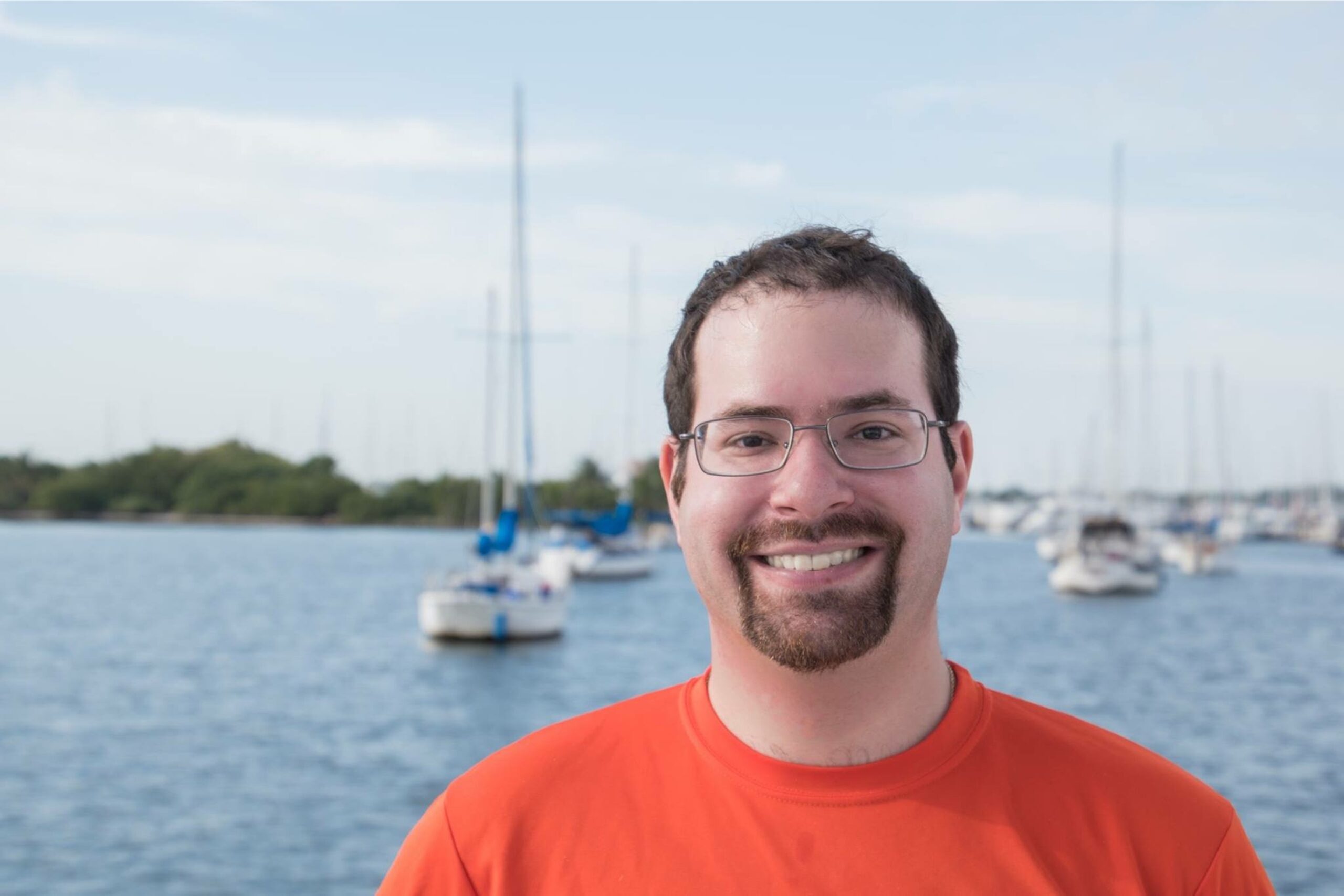
Dr. David Shiffman is a Washington DC-based marine biologist and author. He is an Adjunct Professor at Georgetown University, Associate Editor of the journal Conservation Science and Practice, and CEO of David Shiffman scientific and environmental Consulting. In addition, he is a columnist for Scuba Diving Magazine, a freelance journalist, and public speaker. And he is also author of the popular science book Why Sharks Matter and the soon-to-be-released book Why Sustainable Seafood Matters.
He completed his bachelor’s degree in biology at Duke University, his master’s degree in Marine Biology at the College of Charleston, and his PhD in ecosystem science and policy at the University of Miami. Afterwards, David completed a Liberal zero postdoctoral fellowship at Simon Fraser University in Vancouver, and he has had a variety of cool academic, conservation, and communication roles over the years. In our interview, he shares more about his life, his career, and his work in marine conservation.
People Behind the Science Podcast Show Notes
Life Outside of Science (2:41)
Outside of science, David loves traveling and exploring new places, both for work and on vacation. He is an avid scuba diver with hundreds of dives around the world, and he also enjoys playing competitive pub trivia.
The Scientific Side (4:11)
David’s work focuses on bridging the gap between science and policy to strengthen conservation laws, protect endangered species, and promote more sustainable fisheries management. Through a combination of research, teaching, scientific training, and consulting for nonprofit organizations and government agencies, he helps translate scientific knowledge into effective conservation policies. His ability to communicate across science, advocacy, and law allows him to bring different groups together to advance conservation efforts.
A Dose of Motivation (5:25)
“At any given moment, there’s a shark behind you. It might be a thousand miles away, but it’s behind you. And that shark is totally behind you, supporting you in whatever you do.”
What Got You Hooked on Science? (7:36)
David knew from an early age that he wanted to be a marine biologist, and his childhood fascination with sharks has stayed with him throughout his career. In college, he studied abroad on the Great Barrier Reef, spent a semester at Duke’s marine lab in the Outer Banks, and conducted research on stingray feeding behavior. These experiences further cemented his interest in the field. He shifted to studying shark feeding behavior in his master’s research.
During his doctoral studies, David expanded his focus to explore the human and policy dimensions of marine conservation, including how people’s attitudes and behaviors influence conservation efforts. His fellowship in conservation leadership gave him an opportunity to learn additional valuable skills that have helped him build a diverse career that combines research, university teaching, scientific training, writing, and consulting.
The Low Points: Failures and Challenges (18:08)
Throughout his career, David has faced challenges related to rejection, career uncertainty, and navigating an increasingly competitive academic job market. After applying for 54 tenure-track faculty positions without finding the right fit, David shifted his focus toward a nontraditional career and pursued a mix of different roles. This experience inspired him to help other scientists navigate their career paths, and he has since incorporated career development training into his work and written a book offering career advice for aspiring marine biologists. To help deal with setbacks and disappointments, David keeps a “shadow CV” documenting his professional rejections and a “warm fuzzies folder” filled with positive feedback and encouraging messages to keep him going during difficult times. Taking a break to spend time with his dog also helps him bounce back after bad news.
A Shining Success! (22:49)
One of David’s recent successes has been his work helping revise a leading marine biology textbook. Although he had previously written books and contributed to textbooks in smaller ways, this was his first time taking on a major role in updating and revising one. Initially unsure whether he was approaching the project correctly, David was delighted when the publisher praised his work and asked him to train other contributors on his approach. The opportunity came about through recommendations from colleagues who recognized his ability to communicate marine biology concepts effectively, and it has been a rewarding way for him to combine his interests in writing, teaching, and science communication.
Book Recommendations (26:09, 32:08)
Why Sustainable Seafood Matters: Making Environmentally Conscious Choices by David Shiffman, Why Sharks Matter: A Deep Dive with the World’s Most Misunderstood Predator by David Shiffman, and Song for the Blue Ocean: Encounters Along the World’s Coasts and Beneath the Seas by Carl Safina.
Most Treasured Travel (33:01)
David loves traveling to conferences around the world to connect with friends and colleagues while exploring new places. One of his favorite recent trips was to Sri Lanka for Sharks International, a conference that he has attended since he was a master’s student. David enjoyed experiencing Sri Lanka’s vibrant culture, delicious food, and beautiful scenery. While he was there, he had an opportunity to see sea turtles coming ashore to lay their eggs and wild sharks swimming near the beach.
David also extended his trip to go scuba diving in the Maldives, where he encountered a whale shark in the wild for the first time. Another highlight of the trip was a memorable underwater encounter with a curious whitetip reef shark that repeatedly approached him while diving. Although David recognizes the importance of being cautious and respectful around sharks, he emphasizes that they generally pose very little threat to humans.
Quirky Traditions and Funny Memories (36:06)
For David, it’s important to take his work seriously without taking himself too seriously. David served as one of the organizers for an international conference in Cape Town, South Africa, and his then-girlfriend, now wife, joined him for the trip. He decided to attend the opening reception wearing a shark onesie and made a bet that at least 50 people would want to take a photo with him. David easily exceeded that number. He recognizes that scientific research can be tedious and stressful, so he makes an effort to embrace opportunities for fun whenever possible.
Advice For Us All (41:57)
Embrace new opportunities while being mindful of your time and commitments. You never know what may lead to valuable connections, new skills, and rewarding career paths. When evaluating opportunities, consider the people involved, what you might learn, whether you can make a meaningful contribution, and the potential for travel or financial benefits.
For aspiring marine biologists, take time to explore the many different career paths available in the field and find opportunities that align with your strengths and interests.
In terms of sustainable seafood, Why Sustainable Seafood Matters may help you make informed seafood choices that minimize your environmental impact while still enjoying delicious seafood.
Guest Bio
David is a marine biologist and science communication specialist based in Washington, DC. He is an internationally recognized, award-winning writer, speaker, and educator who has given an invited professional lecture on all seven continents. His research focuses on the ecology and conservation of shark species, and he is particularly interested in hammerhead sharks. David invites you to follow him on social media @whysharksmatter where he’s always happy to answer any questions anyone has about sharks, marine biology, or ocean conservation.
Leave a Reply